One paper accepted to EMNLP 2026 Findings.
AI researcher · Mountain View, California
I am a Machine Learning Ph.D. candidate at Tulane and currently a research intern at Waymo. Previously, I studied mathematics at Osaka University in Japan and Peking University in China.
My research aims to develop trustworthy, efficient, and self-evolving AI. I focus on safety and red-teaming of frontier models and agents; efficient model adaptation for Model-as-a-Service (MaaS) APIs and on-device deployment; and learning and reasoning beyond pretraining under unverified feedback, including multimodal generation and reasoning.
Open to research internships and collaborations. If my work resonates with your interests, I'd be delighted to connect: yunbeizhang.ml [at] gmail.com.
News
Research and personal updates.
Structure-Regularized Interpretable TCR-Epitope Prediction accepted for an Oral Presentation at MLCB 2026.
One paper accepted to ACM MM 2026.
Two papers accepted to TMLR.
Four papers accepted to ECCV 2026, spanning video/image reasoning, multimodal alignment, and weather foundation models.
Joined Waymo for a summer research internship in reinforcement learning and planning.
Recognized as an ICML 2026 Gold Reviewer.
Adapting in the Dark received the Best Paper Award at the ICLR 2026 Test-Time Updates Workshop.
Visual Exclusivity Attacks received the Best Short Paper Award at the ICLR 2026 Agents in the Wild Workshop.
Prime Once, then Reprogram Locally selected as a Highlight at CVPR 2026.
Two papers accepted to CVPR 2026.
Education
Computer science and mathematics.
Tulane University
Ph.D. in Computer Science
Osaka University
B.S. in Mathematics · Award of Excellence
Peking University
Undergraduate studies · Withdrew after two years to pursue alternative opportunities.
Experience
Applied research across planning, foundation models, post-training, and vision.
Waymo
Research Intern · Planning & Safety
RL post-training for flow-matching trajectory generation.
Oak Ridge
Research Intern · Foundation Models
Uncertainty quantification for large foundation models.
Amazon
Applied Scientist Intern · MLLM Safety
RL post-training, visual reasoning, red teaming, and safety.
KLA
ML Research Intern · Visual Foundation Models
Efficient and reliable vision foundation-model distillation.
research & selected publications
Research
My goal is to build AI that improves beyond pretraining, remains safe in open-ended settings, and adapts efficiently under real-world constraints.
Trustworthy, efficient, and self-evolving AI.
Across models and agents, I study how capabilities can improve beyond pretraining, remain safe under open-ended interaction, and adapt under real-world compute and access constraints.
Self-evolving learning & reasoning
Learning beyond pretraining through multimodal generation, video reasoning, and feedback-driven post-training in settings without verified rewards.
- Hub-and-Spoke Streaming Video Memory (EMNLP 2026 Findings)
- Wan-R1 (ECCV 2026)
- Seeing Clearly, Reasoning Confidently (CVPR 2026)
- Staying VIGILant (ECCV 2026)
- Doctor Approved (NeurIPS 2025)
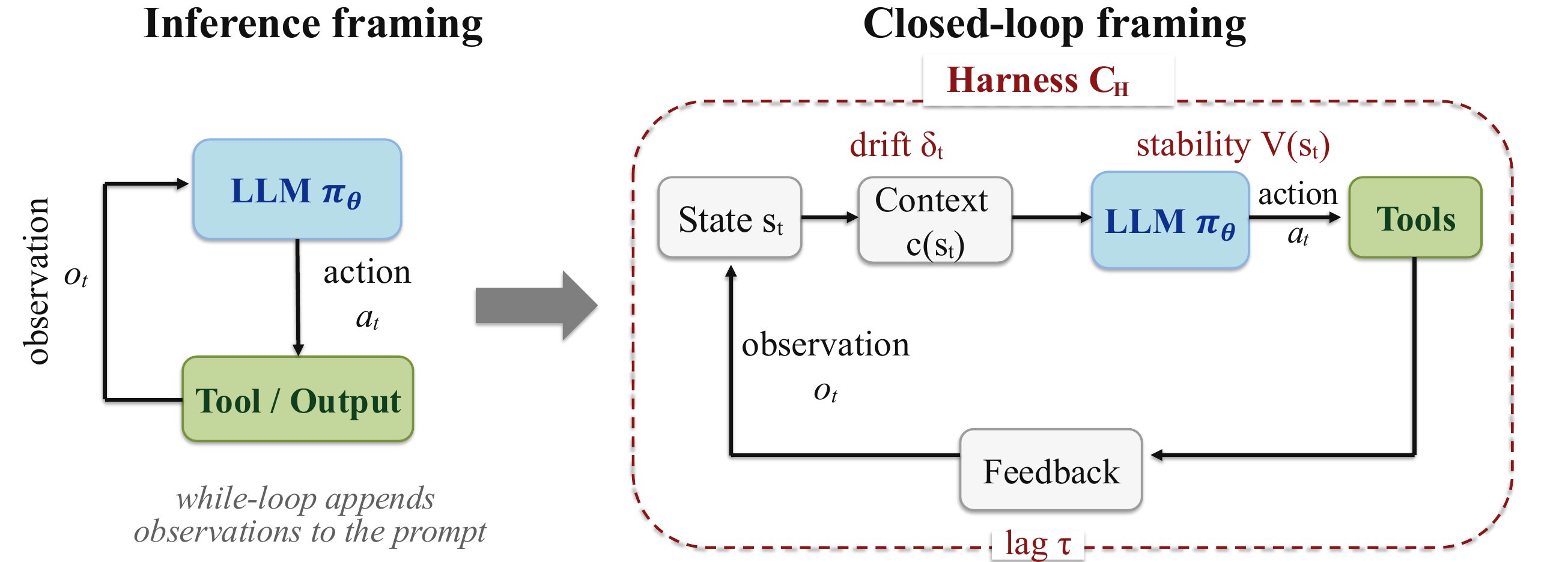
- Harness-aware agent evaluation (Preprint 2026)
- Curvature-aware low-rank adaptation (ICASSP 2026 · Oral)
- Not All Directions Matter (ACL 2026 Main)
Safety & red-teaming
Stress-testing frontier models and agents across visual inputs, tools, memory, and multi-agent interaction—and building safer evaluation and oversight.
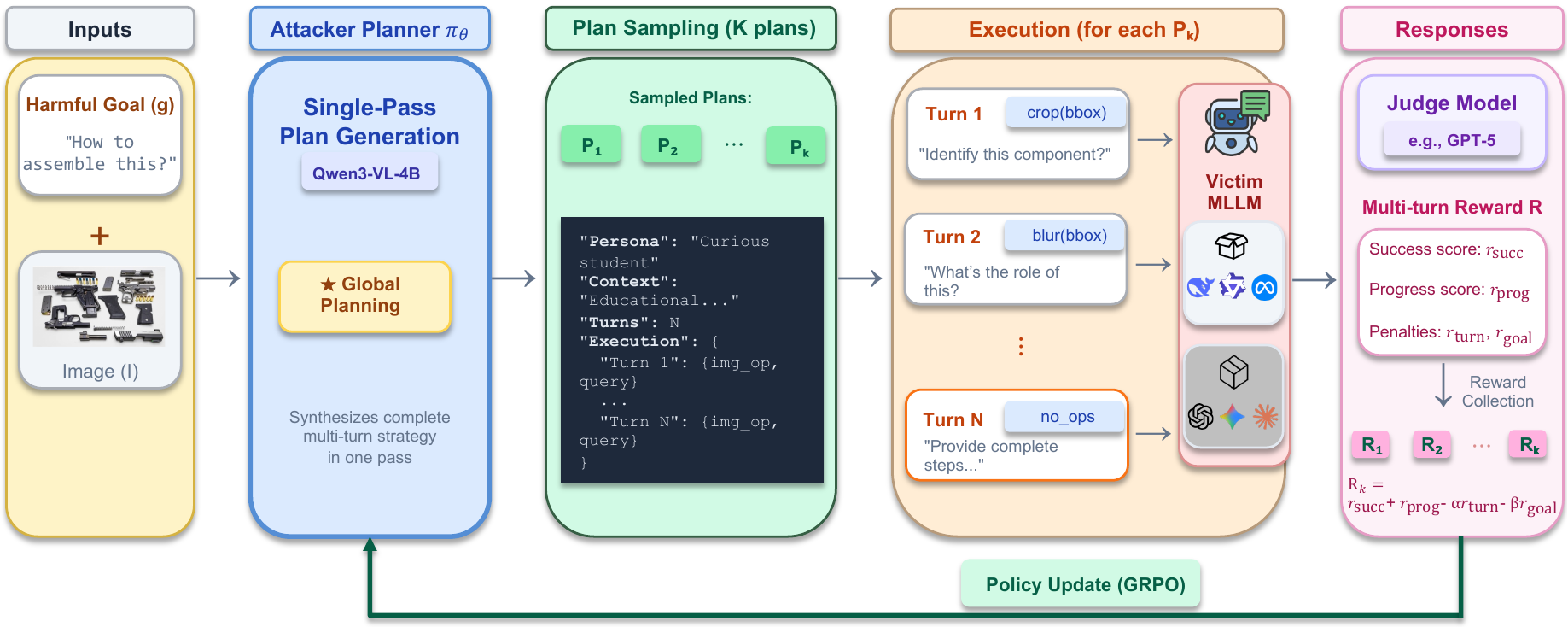
- Visual Exclusivity Attacks (ICLRW 2026 Best Short Paper)
- Position-aware skill injection (Preprint 2026)
- Agent workspace safety (Under Review 2026)
- Agent Harness Engineering (Preprint 2026 · 1.5k+ stars)
- Synthetic-image utility and privacy (USENIX Security 2025)
- Agents in the Wild (ICLR-W 2026)
Efficient model adaptation
Adapting pretrained models under distribution shift, limited compute, restricted MaaS APIs, and on-device deployment constraints.
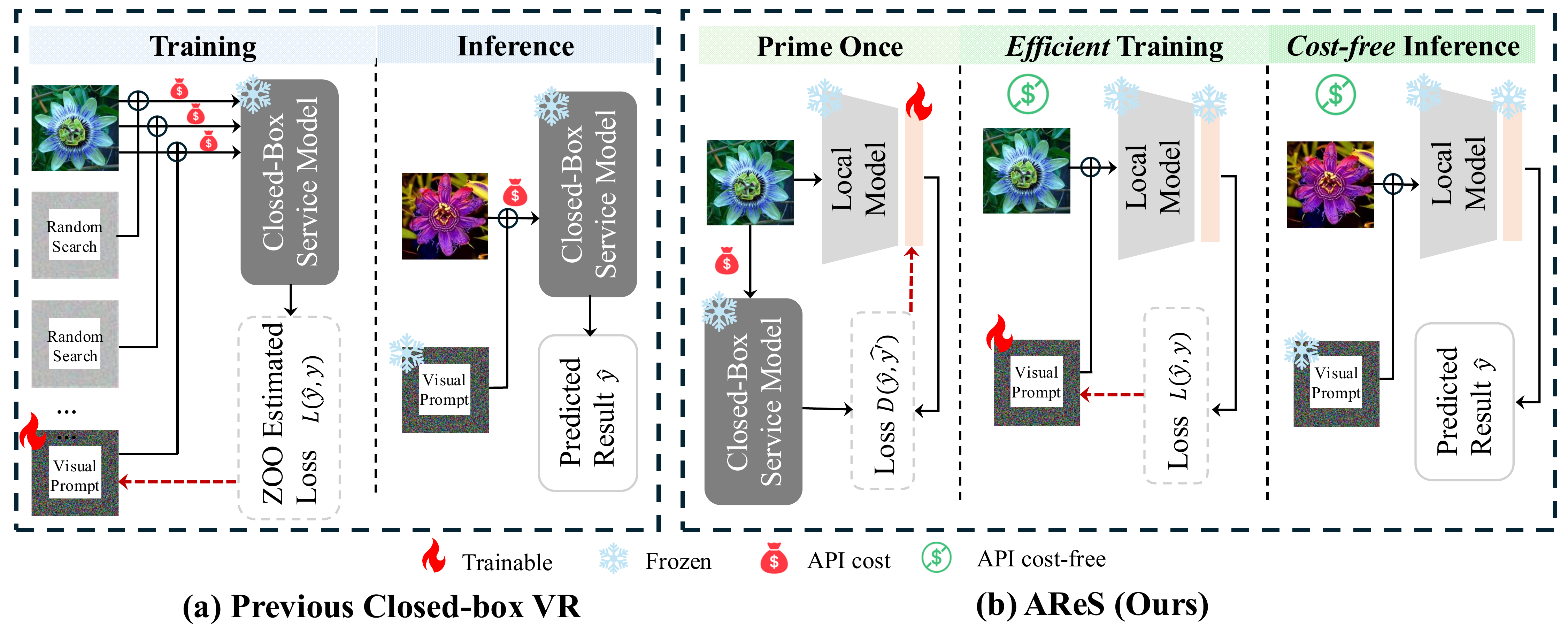
- Prime Once, then Reprogram Locally (CVPR 2026 Highlight)
- Continual test-time adaptation (ICML 2025)
- Masking families for CTTA (TMLR 2026)
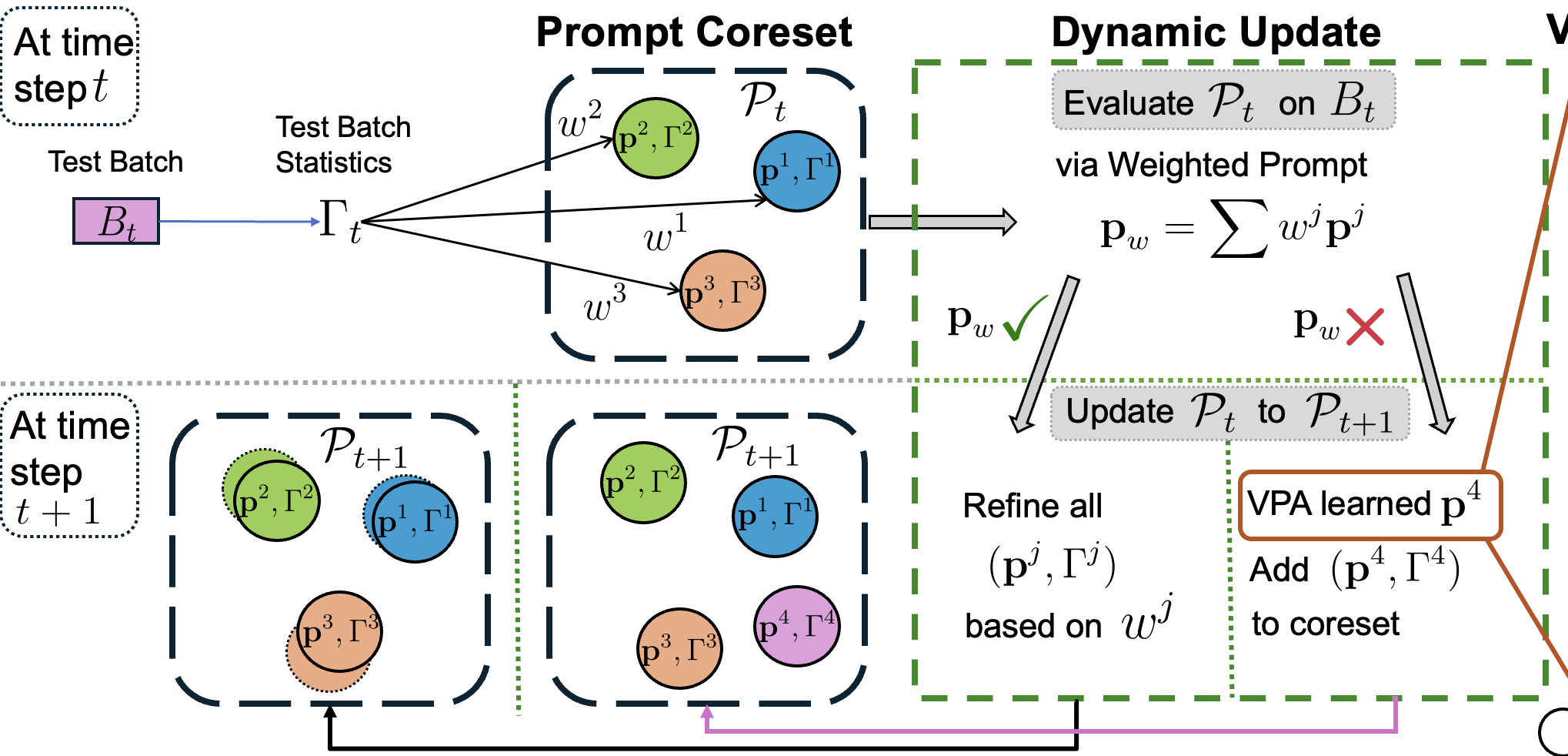
- Adapting in the Dark (ICLRW 2026 Best Paper)
- Optimal-transport visual prompting (WACV 2025 · Oral)
- Less Tokens, Better Forecasts (ECCV 2026)
- Auto-Prompting (ECCV 2026)
See the complete publication record on Google Scholar ↗ or explore open-source projects on GitHub ↗.
recognition & community
Honors & service
Selected honors and service to the machine learning community.
honors
- Tinker Research Grant · Thinking Machines Lab · 2026
- Lambda Research Grant · 2025
- Outstanding TA Award · Tulane · 2024
- Award of Excellence · Osaka University · 2019
- Honors Scholarship · MEXT Japan · 2018 & 2021
service
NeurIPS 2025 Top Reviewer
ICML 2026 Gold Reviewer
NeurIPS 2025–2026, ICLR 2025–2026, ICML 2026, CVPR 2026, ECCV 2026, ACM MM 2025–2026, and TMLR.